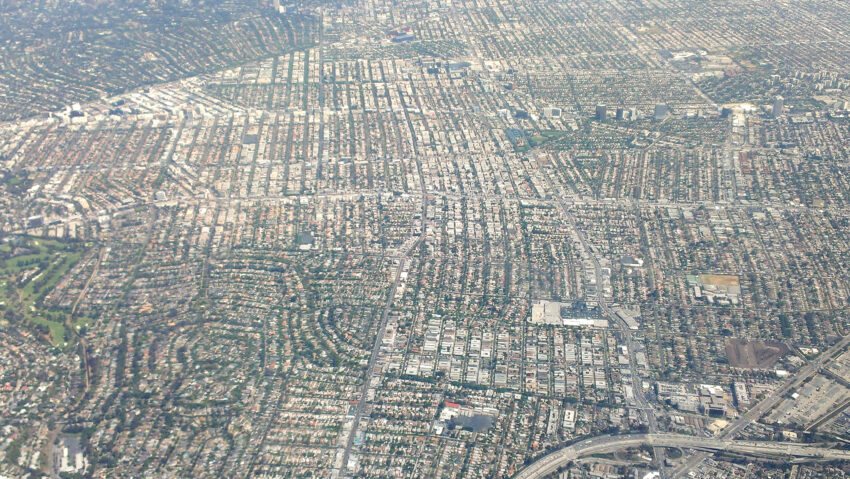
BEVERLY HILLS, CA — For three years, the city could not get its housing plan approved by the state. That gap handed developers a key to the front door.
Under a state rule called the Builder’s Remedy, a city that misses its housing deadline loses some power over height and density. Developers can then propose buildings the local code would never allow.
Beverly Hills received 19 such applications. Fourteen are still active.
The rule, and the three-year gap
The law behind the rush is not new. California added the Builder’s Remedy to the Housing Accountability Act in 1990.
The rule lets a developer bypass local zoning when a city is out of compliance with its housing element. In exchange, the project must set aside at least 20 percent of its homes for lower-income renters. A project can also qualify by reserving the whole building for moderate-income households.
For most of its life, the tool sat unused. Then SB 330 in 2019 tightened local timelines, and a wave of late housing plans across California turned a dormant law into a busy one.
Beverly Hills tried and failed three times to win state certification for its 2021-2029 housing element. State housing officials signed off in March 2024.
By then, the applications had piled up. City staff counted 19 Builder’s Remedy filings tied to the years the city was out of compliance.
| What it is | A state rule that limits a city’s power to reject housing |
| When a city triggers it | When its housing element is out of compliance |
| What developers gain | They can ignore local height and density limits |
| What they owe in return | At least 20% lower-income homes, or 100% moderate-income |
| Legal basis | Housing Accountability Act, amended in 1990; SB 330 in 2019 |
| Beverly Hills status | Certified in March 2024, after three failed attempts |
Nineteen projects, from eight stories to twenty-six
The proposals ran the length of the city’s housing debate. One was an eight-story apartment block. Another was a 26-story tower.
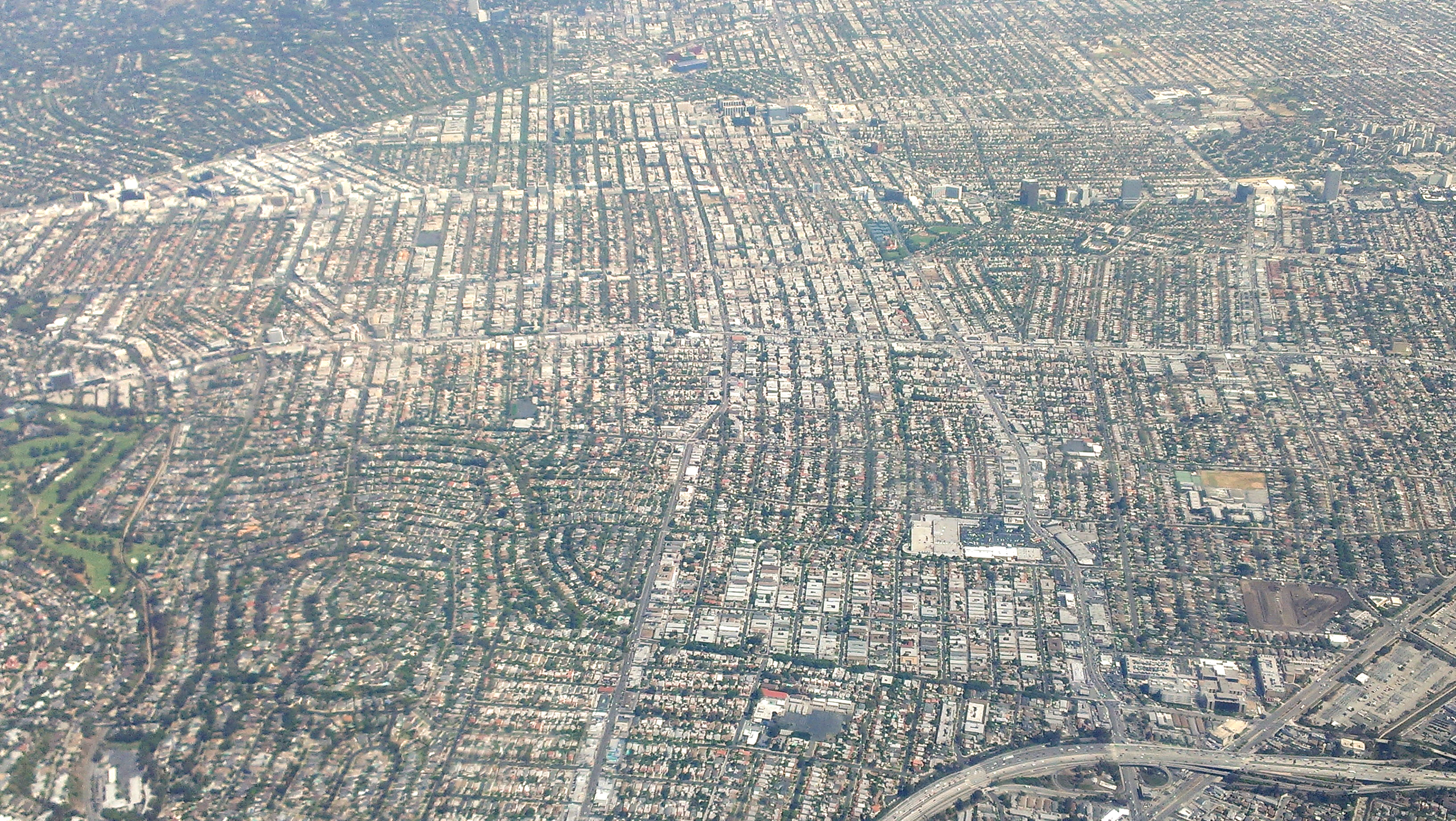
Most clustered along Wilshire Boulevard and the streets just south of it, where lots already sit close to the retail core. A few landed on quieter blocks of low-rise apartments and single-family homes.
Homes proposed under the Builder’s Remedy
The tallest proposal sits at 8844 Burton Way. It calls for 26 stories, 200 studio, two-, and three-bedroom homes, and 316 parking spaces. Twenty-two of those homes would be deed-restricted affordable housing.
A 14-story building at 9229 Wilshire Boulevard would hold 116 apartments and a 60-room hotel. Smaller projects fill out the list, including an eight-story, 90-unit building at 214 Hamilton Drive.
A rejection, then a reversal
The Burton Way project drew the sharpest fight. Commissioners first objected that its affordable units were stacked on the tower’s lowest floors, which they said ran afoul of state anti-segregation law.
The developer, Crescent Heights, spread those units across more floors. Commissioners then objected to the building’s height and the loss of privacy for neighbors.
In November 2025, the Planning Commission voted 3-2 to reject the project, against the advice of the city attorney. Crescent Heights appealed to the City Council.
On March 24, 2026, the council granted the appeal and approved the tower. In this council-manager city, the five elected members set policy while a hired manager runs the departments, so the vote settled which branch of government had the final say on height.
The same meeting forced a second reversal. A Los Angeles Superior Court judge had ruled in August 2025 that the city wrongfully blocked a 19-story building at 125 South Linden Drive. That project would add 165 apartments, 20 percent reserved for lower-income renters, plus a 73-room hotel.
At last count, the city faced six lawsuits over Builder’s Remedy projects.
Key dates
- 1990: California adds the Builder’s Remedy to the Housing Accountability Act
- March 2024: The state certifies the city’s housing element, after three failed attempts
- August 2025: A judge orders the city to process the Linden Drive tower
- November 2025: The Planning Commission rejects 8844 Burton Way, 3-2
- March 24, 2026: The City Council overturns that denial
The city offers a smaller building instead
Rather than fight every application, the council began testing a trade. Applicants who scale down their projects could use a faster approval path that skips the discretionary hearing.
Staff proposed limits along the lines of the state density bonus, with a height cap near 85 feet. That is roughly seven or eight stories, well under the towers now on the table.
The offer applies only to developers with pending Builder’s Remedy applications, not to other builders in the city. Council members also asked staff to weigh prevailing-wage standards for any project that takes the deal.
The plan still needs Planning Commission review, a council vote, and an environmental clearance before it can take effect.
What to watch
The lawsuits will set the pace. If the towers rise, they will change streets where little stood above three stories a decade ago.
Traffic on Wilshire is already the city’s hardest puzzle, and the D Line extension due in 2027 will add its own pressure two blocks off Rodeo. School seats, parking, and the shape of the skyline all come with the new buildings.
The city’s real room to maneuver sits in the courtroom and at the bargaining table, not on the dais.
For now, the applications sit in review and the hearings keep coming. The next turn will come from a judge, or from a vote.
Sources: Urbanize LA (“Beverly Hills softens its stance toward Builder’s Remedy projects”; “Judge orders Beverly Hills to process 19-story Builder’s Remedy development”; “Beverly Hills City Council approves Builder’s Remedy high-rise at 8844 Burton Way”); Wikipedia, “Builder’s remedy”; California Housing Accountability Act; Park La Brea News, as reported by Urbanize LA.