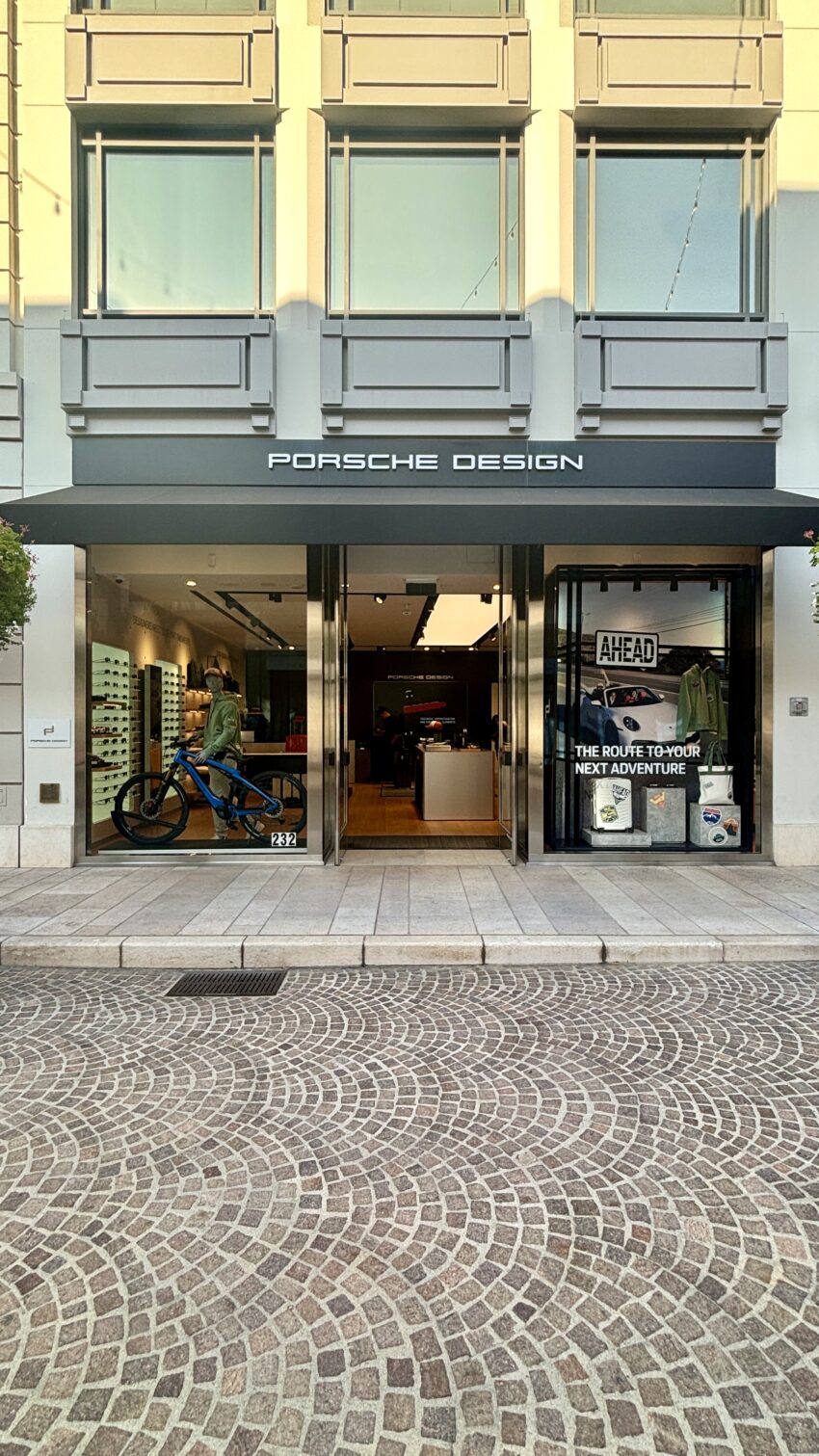
BEVERLY HILLS, CA — Rodeo Drive’s three-block core grew from $1,100 lots platted in 1906 into a district generating a quarter of the city’s sales tax revenue.
The street runs two miles, from Beverwil Drive in Los Angeles to Sunset Boulevard. Its southern segment lies inside the city of Los Angeles. Its name most often points to those three blocks alone, and that short corridor holds the story.
A Bridle Path Becomes a Business Street
In 1906, Burton E. Green and other investors bought the land that would become Beverly Hills. The property carried the older name Rancho Rodeo de las Aguas. The investors platted Rodeo Drive that same year.
Even the pronunciation sets it apart. Residents say roh-DAY-oh, with the stress on the second syllable. That Spanish pronunciation belongs to this street, not to the Los Angeles road once named Rodeo Road.
Early lots measured 75 by 160 feet and sold for roughly $1,100 in 1907. By November 1925, similar parcels fetched $15,000 to $30,000. That was nearly double the September asking prices.
The street became a bridle path in 1912, when the Beverly Hills Hotel rose on a former lima bean field. Pacific Electric Red Cars ran along Rodeo as the Coldwater Canyon Line from 1907 to 1923.
Commerce arrived later and looked ordinary. Hardware stores, gas stations, beauty shops, and bookstores filled the middle blocks. Carroll & Company, a men’s store, opened in 1950.
Architecture soon followed. Frank Lloyd Wright designed the Anderton Court Shops at 332 North Rodeo in 1952. The building marked an early sign of ambition on the street.
The First Luxury Storefronts
Fred Hayman opened Giorgio Beverly Hills in 1961. He became known as the father of Rodeo Drive, and the boutique was the street’s first high-end shop.
Aldo Gucci opened a store in 1968. That move helped shift the block toward its current form. Van Cleef & Arpels arrived in 1969, and a Vidal Sassoon salon came in 1970.
Polo Ralph Lauren opened its first freestanding store on the street in 1971. Real estate money moved in as well. In 1958, developer Marvin Kratter bought 48,000 square feet at Rodeo and Wilshire from the city for just over $2 million.
A Committee Sells an Image
The Rodeo Drive Committee formed in 1977 and launched a publicity campaign. Its goal was blunt. It wanted the world to think of Rodeo Drive as the shopping street of the rich and famous.
A former committee co-chair, Richard Carroll, later described what the street had been. He said the change was sparked in 1971, when a new wing of the Beverly Wilshire hotel opened.
There was nothing at all of an international nature on the street. Rodeo was purely local in flavor.
Richard Carroll, former co-chair, Rodeo Drive Committee
By 1978, the Beverly Hills Chamber of Commerce called Rodeo Drive the essence of the best shopping centers in the world. By 1980, the city pegged the district at as much as a quarter of its sales tax revenue.
Bijan Pakzad opened his showroom in 1976 and added to the street’s reputation. He billed the store as the most expensive in the world. Women’s Wear Daily noted that he was known for hyperbole.
| Year | Milestone |
|---|---|
| 1906 | Rodeo Drive platted by Burton E. Green and investors |
| 1907 | 75-by-160-foot lots sell for about $1,100 |
| 1961 | Giorgio Beverly Hills opens as the first high-end boutique |
| 1977 | Rodeo Drive Committee launches its publicity campaign |
| 1980 | City estimates the district at up to 25% of sales tax revenue |
| 1983 | Rodeo Collection mall opens at 421 North Rodeo |
| 2003 | $18 million streetscape makeover and the Walk of Style |
Boom, Recession, and Rebirth
By 1981, the high-fashion strip covered two and a half blocks and held about 65 stores. The Rodeo Collection, a 45-store mall of 70,000 square feet, opened in 1983 at 421 North Rodeo.
Space there leased for as much as $120 per square foot. A commercial brokerage executive called it the highest price for any kind of space in the Los Angeles area. The Rodeo Collection building rises just four stories, with its first floor below street level to satisfy local building codes.
Two Rodeo Drive, an outdoor center with a cobblestone alley, opened in 1990. Its developer sold the property for about $200 million right after completion. Two Japanese groups bought 40 percent of it, and some architects compared the center to a theme park.
The early 1990s recession hit the center hard, and occupancy fell to 60 percent. Middle-market brands such as Guess Jeans and Banana Republic took space. Several brands later bought back their franchised stores, including Polo Ralph Lauren, Gianni Versace, and Hugo Boss.
The owners sold Two Rodeo Drive in 2000 at a loss of nearly $70 million. By 2007 the property had recovered and sold to a group of Irish investors for $275 million.
The street drew crowds through it all. In the early 1990s, it ranked as the fourth most-visited destination in the Los Angeles area. Only Disneyland, Knott’s Berry Farm, and Universal Studios drew more.
A Walk of Style and a Global Address
In 2003, the city gave Rodeo Drive an $18 million makeover. Crews widened the streets, added crosswalks, and swapped the ficus trees for palms.
That September, the Rodeo Drive Committee introduced the Walk of Style. Bronze plaques set into the sidewalks honor figures in fashion. At Dayton Way, Robert Graham’s sculpture “Torso” serves as its symbol, and award recipients receive a small “Torso” maquette designed by the same artist.
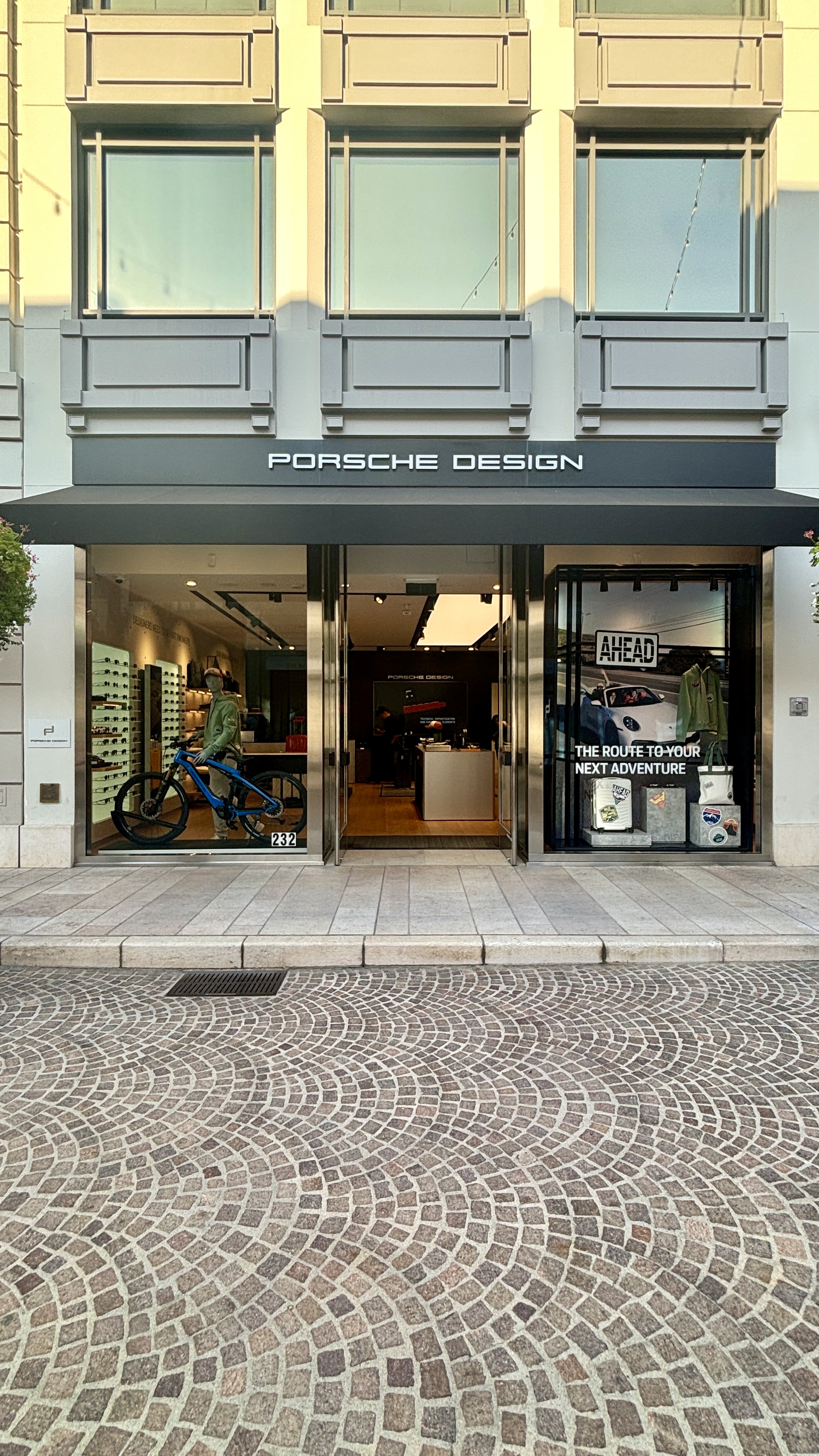
Rodeo Drive kept drawing international names. The French firm Lanvin opened a store in 2011. Annual events such as the Concours d’Elegance and Fashion’s Night Out also built traffic, and a Ferris wheel once rose over the three blocks.
Fashion’s Night Out began in 2009 and reached 500 American cities by 2012. The street also lives in popular culture. In the 1990 film Pretty Woman, a shop clerk snubs Julia Roberts’s character in a Rodeo Drive boutique.
The street has absorbed shocks as well. In May 2020, several Rodeo Drive businesses were damaged and looted after the murder of George Floyd. Windows broke and spray paint marked storefronts.
Three blocks still carry a global name. That name was built over a century from dirt lots, a bridle path, and a committee’s deliberate campaign.
Sources
- Wikipedia, “Rodeo Drive”: https://en.wikipedia.org/wiki/Rodeo_Drive
- Wikimedia Commons file page for the CC0 photograph: https://commons.wikimedia.org/wiki/File:Rodeo_Drive,_Beverly_Hills,_September_2024.jpg