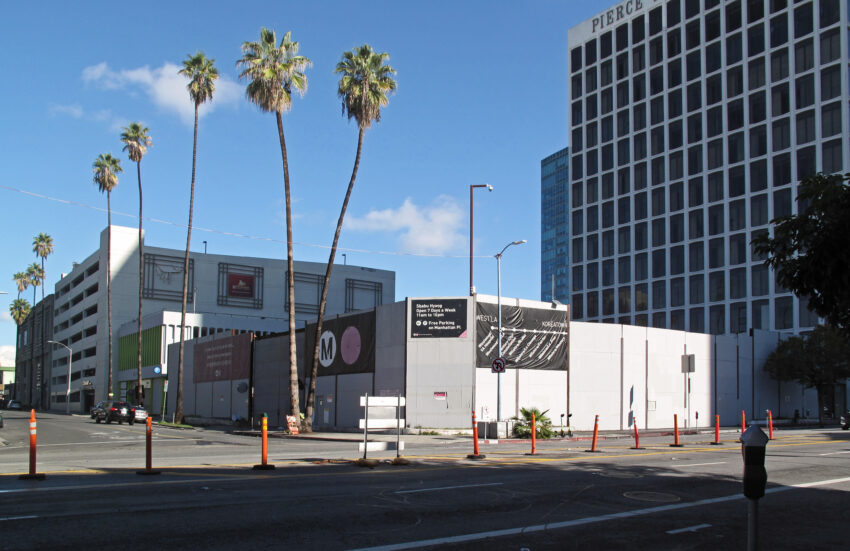
BEVERLY HILLS, CA — The city that helped keep the subway off the Westside for a generation is about to get a station of its own.
Metro’s D Line extension is scheduled to reach Beverly Hills in 2027. The new stop sits at Beverly Drive. A second station, at Century City, opens just past the city line.
It will be the first subway station in the history of Beverly Hills.
The line is already at the doorstep
Section 1 of the extension opened on May 8, 2026. It carries riders west from Koreatown to Wilshire and La Cienega, a few blocks from the Beverly Hills border.
Three stations opened with it. Wilshire/La Brea. Wilshire/Fairfax. Wilshire/La Cienega.
The tracks keep going west under Wilshire Boulevard from there. From the platform, riders can see the direction the line is headed.
Two more miles to the city line
Section 2 covers 2.6 miles. It runs from La Cienega through Beverly Hills to Century City.
Section 3 adds another 2.6 miles. It reaches UCLA and the VA hospital in Westwood.
Both sections are scheduled to open in 2027. Together, the three sections add 9.1 miles of subway to the system.
| D Line extension: the basics | Detail |
|---|---|
| Stations still to open | Beverly Drive, Century City, Westwood/UCLA, Westwood/VA Hospital |
| Section 1 opened | May 8, 2026 |
| Tunneling finished | April 2, 2024 |
| Section 2 length | 2.6 miles (La Cienega to Century City) |
| Total, all three sections | 9.1 miles |
| Planned opening | 2027 (Sections 2 and 3) |
| Source | LA Metro |
The route under the city
The subway runs west under Wilshire Boulevard, then leaves it near Santa Monica Boulevard.
From there it swings south through Century City and returns to Wilshire in Westwood.
The Beverly Drive station sits on Wilshire, between Beverly Drive and Rodeo Drive, two blocks from the retail core.
A line that stopped at Western
For most of its life, the subway ended at Western Avenue and went no farther.
Planners had wanted a Wilshire route since the 1960s. A 1961 proposal laid out a rapid-transit line from Westwood to downtown.
It never got funded. County voters rejected subway measures in 1968 and again in 1974.
In 1980, voters passed Proposition A, a half-cent sales tax for rail. Construction on the Red Line began in 1986.
The Wilshire branch opened to Wilshire/Western in 1996. That was as far west as it went for three decades.
Support was there, even when the money was not. In 2000, an art group posted fake “Aqua Line” signs along Wilshire, showing a subway to the ocean. People believed them.
Beverly Hills once said no
The city was not a bystander in that decision. It was part of it.
In 1985, a methane explosion at a Fairfax District clothing store gave Congressman Henry Waxman the opening to ban tunneling through a stretch of Wilshire Boulevard.
That ban froze the subway at Western Avenue. The Westside line went quiet.
In 1998, County Supervisor Zev Yaroslavsky sponsored a measure that barred county sales-tax money from subway tunneling. The extension stalled a second time.
What changed
Traffic did what politics could not.
Wilshire Boulevard and the buses on it ran at capacity. Pressure built across the Westside, and the politics moved with it.
In 2005, Mayor Antonio Villaraigosa made the extension a priority and served as Metro board chair.
Waxman reversed his own law in 2007. The tunneling ban came down that December.
Then the money followed. Measure R, passed in 2008, and Measure M, passed in 2016, funded the build.
The project cleared its environmental review in 2012 and won Metro board approval the same year. Work was split into three sections.
Then the city signed on
The Beverly Hills City Council endorsed a Wilshire alignment in 2007.
The plan called for one station at Wilshire and La Cienega, and one on Wilshire between Beverly Drive and Rodeo Drive.
That second stop is the one with the city’s name on it.
The city that helped stop the subway is now waiting for its first station.
Mayor of Beverly Hills
The build
Construction started on Section 1 in November 2014. Section 2 broke ground in February 2018.
Section 3 broke ground in May 2021. Tunneling for the whole project finished on April 2, 2024.
What remains is station work, systems, and testing.
What it cost
The price depended on how far west the line ran. Early studies put the options between about $4 billion and nearly $9 billion.
Metro settled on a route that stops at the VA hospital in Westwood, not the ocean. A fourth section to Santa Monica stays a long-term idea.
What changes at Beverly Drive
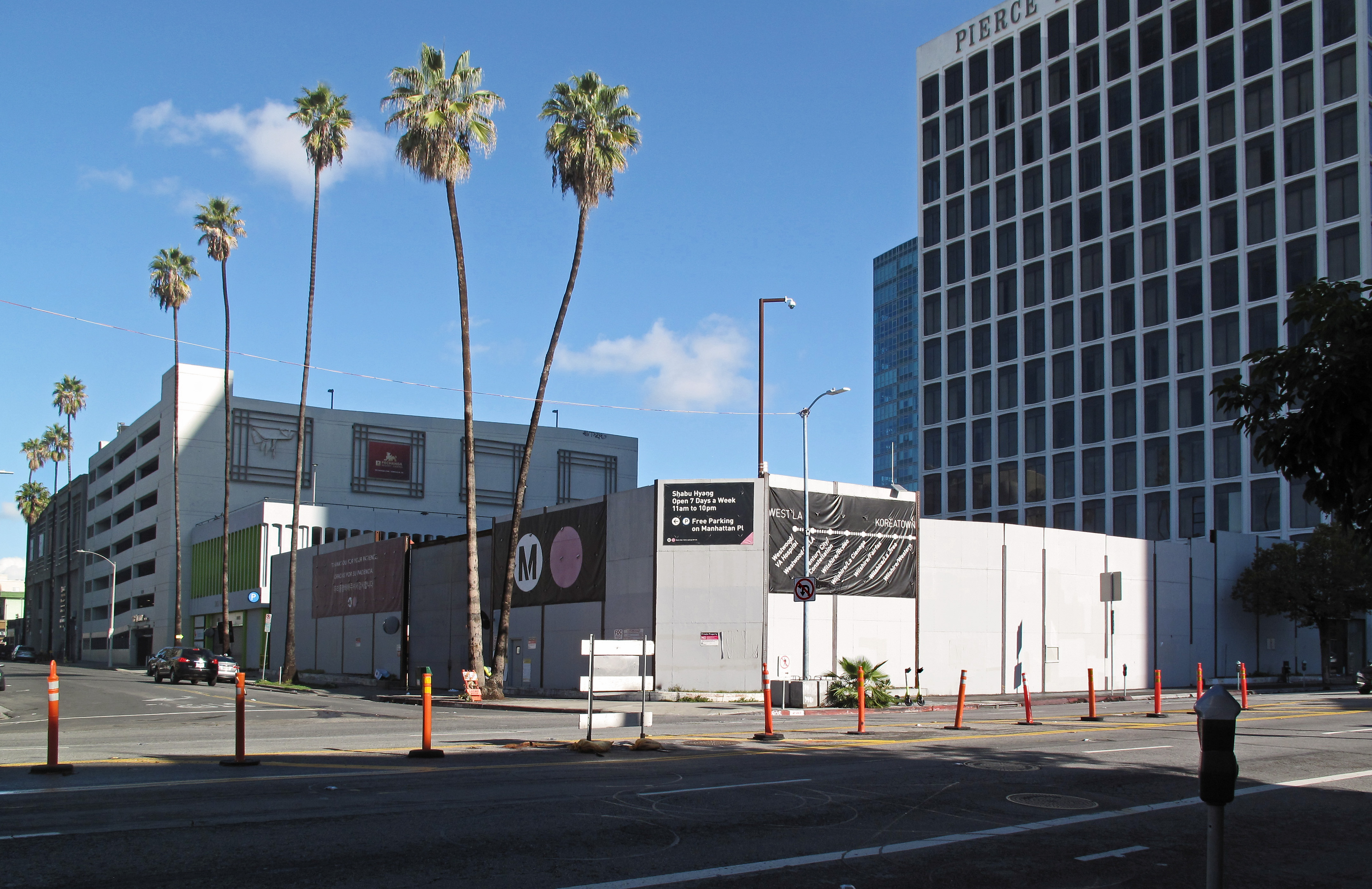
A subway stop two blocks off Rodeo changes how people arrive downtown. It also changes the block it lands on.
Construction comes first. Station fit-out means street closures, parking losses, and noise on blocks that already run tight.
Then comes the harder question. A station draws foot traffic, and foot traffic changes rents, storefronts, and parking.
What to watch
Two questions will define the next two years.
The first is construction. The second is the first year of service.
Ridership will be the number to watch. The line exists to pull cars off Wilshire, and the early counts will say whether it works.
Why it matters
Beverly Hills is a small city with a large reputation.
For forty years, part of that reputation was keeping the subway away.
In 2027, riders step off at Beverly Drive. The city will learn what every station city learns.
Other station cities show the same pattern. The first year brings the crowds, then the block adjusts around them.
The train changes the block, and then the block changes back.
The Metro Rapid bus on Wilshire runs at capacity today. Planners expect the subway to absorb part of that load once the Beverly Hills stop opens.
For now, the nearest station is Wilshire and La Cienega. That is where the line ends until 2027.
When the next two sections open, a rider can go from Beverly Hills to downtown Los Angeles without changing trains.
Sources: Los Angeles Metro; Metro D Line extension project records.